
Build it
Students put the car body together and connect the motors, wires, and battery with their own hands.
July 22–29, 2026
7 sessions · Weekdays 4:45–6:45 PM · Weekend sessions 1:45–5:45 PM · Ages 10–15 · English-taught
Small private coding and robotics course · 7 sessions · Ages 10–15
Small class. Real project. Patient guidance. Kids build something they are proud of, and learn to fix it when it breaks.
Each student builds a real RC car: they put the body together, connect the motors and wires, and use simple code to make it move. Then they drive it from a web page on a phone or laptop, over Wi-Fi.
No coding experience is needed. Everything is explained in plain language, one step at a time, and the class is small enough that nobody gets left behind.
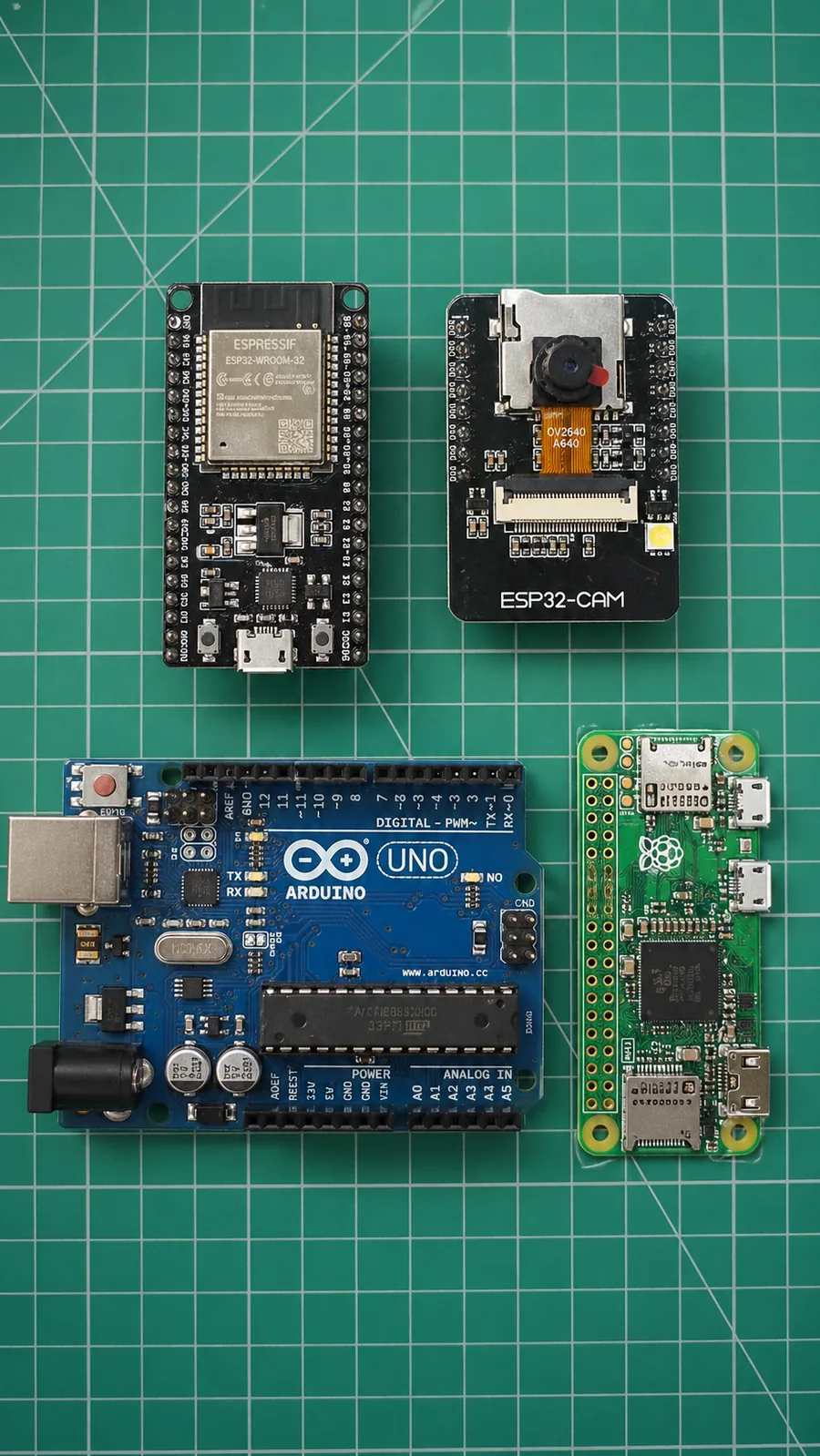
What the controller, motors, wires, battery, and control page each do, and how they work together.
Students use short pieces of real code to make the car move and to change how it behaves.
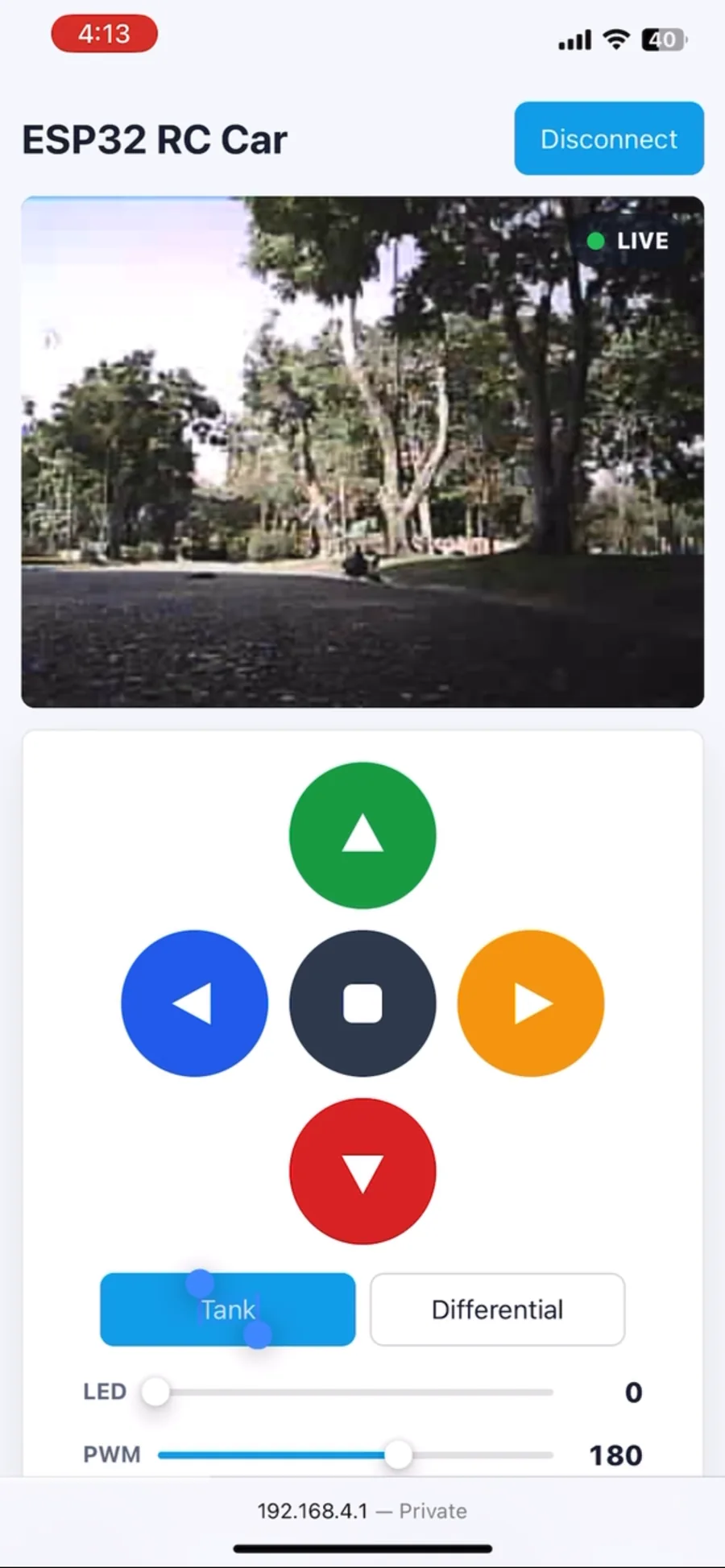
The car makes its own Wi-Fi signal. A simple web page on a phone or laptop sends it driving commands.
How to connect motors, wires, and power safely, and how to test that everything works.
What to do when the car does not move: check the wiring, test the code, find the problem, and fix it.
The Schedule
Wednesday July 22 – Wednesday July 29, 2026. No class on Tuesday July 28. Monday July 27 is an optional help/testing session before final drive day.
Students learn what the car parts do, test simple movement code, and understand how the project works.
4:45–6:45 PM
Students assemble the car body, place the main parts, and prepare the wiring layout.
4:45–6:45 PM
Students connect motors, organize wires, test power, and check that the car responds safely.
4:45–6:45 PM
Students use a simple web control page to make the car move forward, backward, left, and right.
1:45–5:45 PM
Students fix common problems, tune movement, customize the car, and practice explaining how it works.
1:45–5:45 PM
Students who want extra support can test, get help, and prepare their car before final drive day.
4:45–6:45 PM
A day off before the final drive. Students come back ready for the last session.
—
Students complete final tests, do a small driving challenge, receive a certificate, and take the completed car home.
4:45–6:45 PM
The first and last 15 minutes of each session are a relaxed drop-off and pick-up window.
By the End
Price
Original price: 6,900 THB. The current price includes all 7 sessions, instruction, guided build time, car project materials, a certificate, and the completed take-home RC car.
Limited private-course seats. No payment is collected on the form. We confirm availability and answer questions first.
The Project
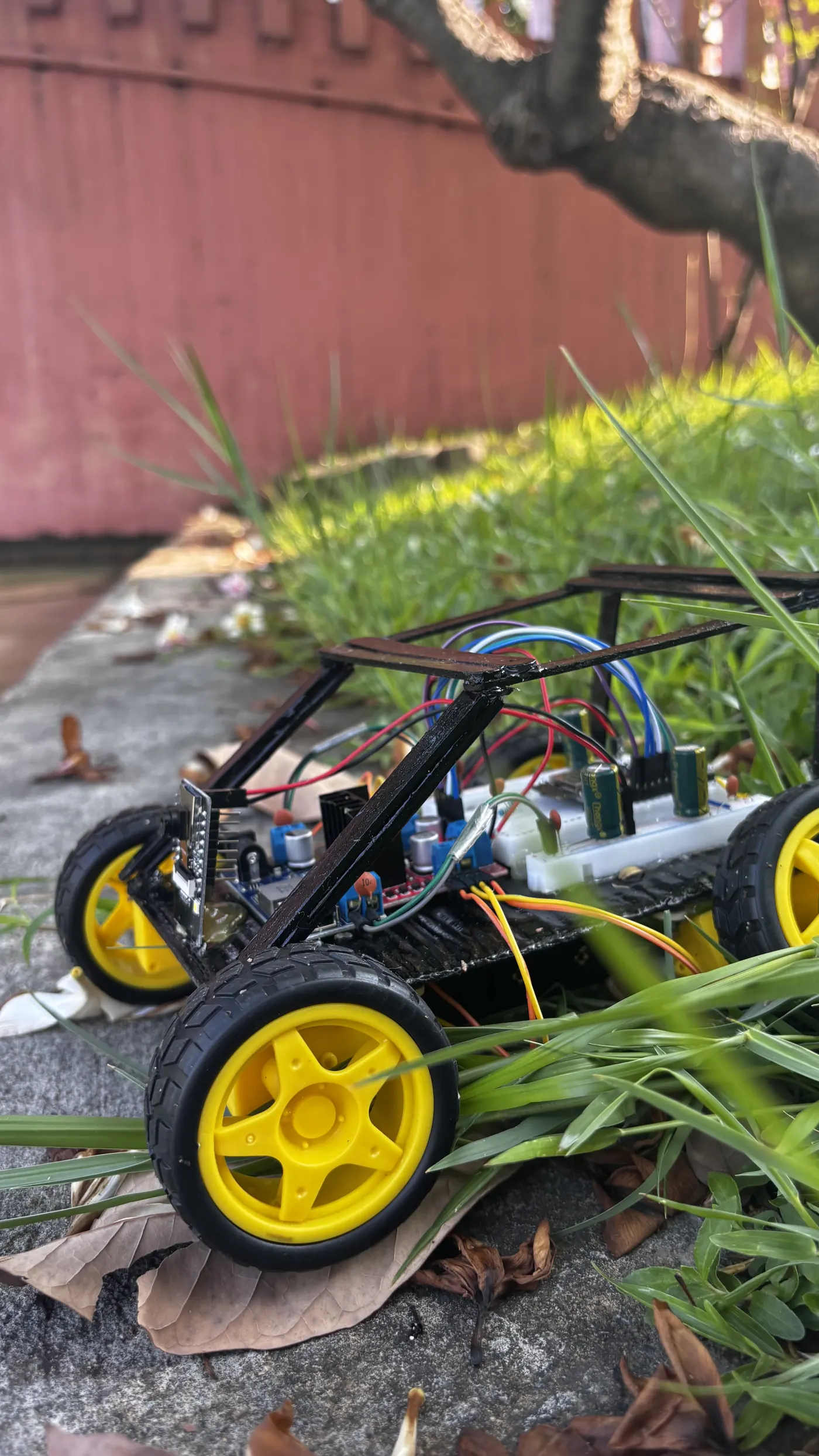
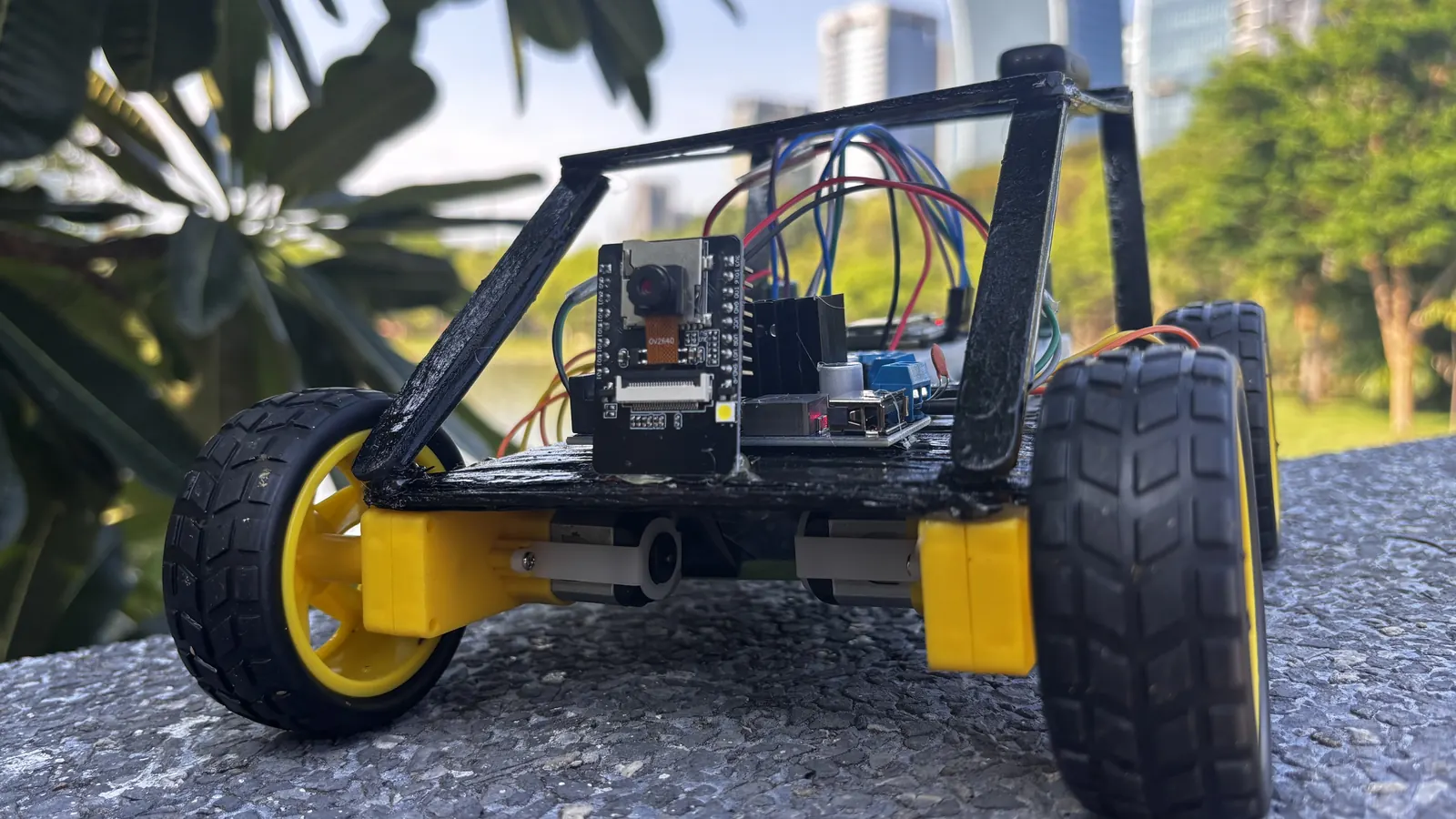
A closer look at the car students build, code, drive, and take home.
How the Course Works
Students put the car body together and connect the motors, wires, and battery with their own hands.
Short pieces of real code make the car move. Students change the code and watch what happens.
A simple web control page on a phone or laptop drives the car over Wi-Fi: forward, backward, left, and right.
When something does not work, students learn to check, test, and fix it. That part is on purpose.
What They Keep
Built, wired, coded, and tested by your child. It goes home with them after the final session.
Handed out at the final drive, recognizing the building, coding, and problem-solving they did.
Students practice explaining how their car works, in their own words. That confidence stays after the course ends.
Location
155 Moo 10, Baan Waen, Hang Dong, Chiang Mai, Thailand
Peace Culture Foundation is a calm, welcoming property in Hang Dong with plenty of space for focused, hands-on project work. Parking is available on site, and drop-off and pick-up are easy.
Renshinkan Dojo shares the grounds, which gives the whole place a grounded, family-friendly feel.
Not ready to commit? Message us first. We are happy to answer questions before you reserve.
 @sparkslabkids
 info@sparkslabkids.com
 +66 96-938-0064
 Facebook